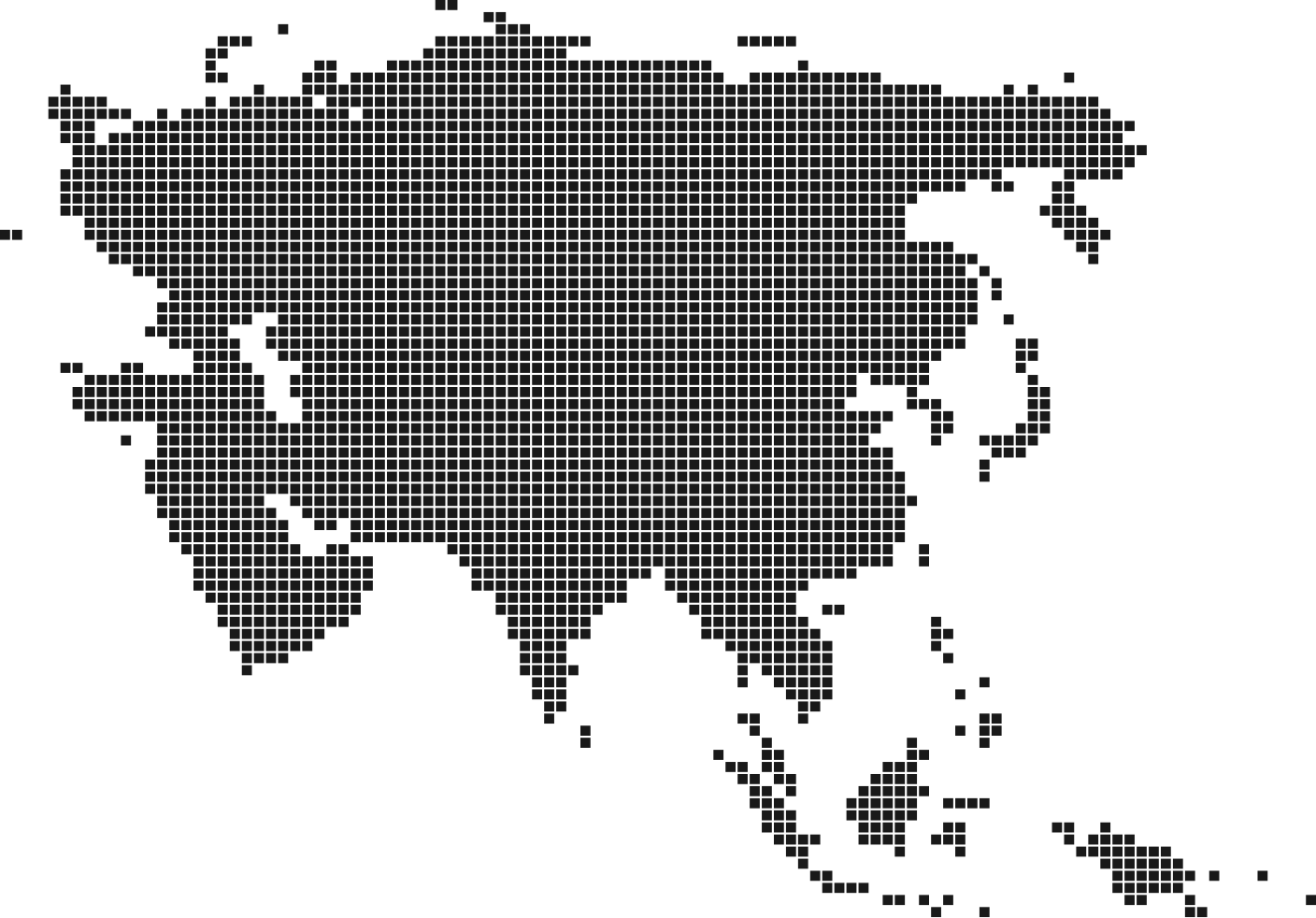
Asian Parliamentary Openness Index
A regional index tracking how openly Asia-Pacific parliaments operate.
2026 Insight
Assessment date: October 2026
Parliamentary openness is strongest on publishing information, but weakest on transforming openness into accountability. Legislatures across the nine countries assessed in the APOI performed strongly when it comes to openness on information (62.2%) but lags on citizen participation (50%) and public accountability (46.4%). Information is available but not usable 100% of legislatures assessed provide plenary video access, but only 27.5% of available information are machine-readable. Rules are in place but not enforced 92.9% of legislatures assessed have codes of conduct, but only 21.4% maintain public registers of interests. Citizens can participate but not meaningfully 78.6% of legislatures assessed provide information on attending plenary sittings, but only 28.6% offer mechanisms for the public to comment on draft bills.
See moreExplore by Country
See every country's chamber-by-chamber breakdown and indicator-level detail.
ExploreExplore by Indicator
See how every country compares on a single indicator, question by question.
ExploreAbout the Index
APOI assesses how openly national parliaments across Asia-Pacific operate, so citizens, media, and reformers can see exactly where each parliament stands. Every parliament is scored against the same set of questions, organized into three dimensions of openness: Openness on Information, Openness on Accountability, and Openness on Citizen Participation.
3 dimensions

Openness on Information
How a parliament proactively discloses comprehensive legislative, financial, administrative, and procedural data in accessible formats.

Openness on Accountability
The extent to which individual legislators are held responsible for ethical conduct and the legislative institution remains answerable to the public for its governance and laws.

Openness on Citizen Participation
The extent to which citizens can meaningfully engage in and express opinions about parliamentary processes.
Methodology
The assessment covers 32 indicators and 54 questions across three dimensions. Each indicator contains a different number of questions and is worth 1 mark, except for one indicator in the Openness on Information dimension, which is worth 3 marks. As each dimension carries a different number of total marks, they contribute different weights to the overall score. The assessment is conducted independently every two years (first launched in 2026) by local PMOs or think tanks using only publicly available information—not what laws or Standing Orders require in principle. Findings are verified by academic experts.
Who This Is For

NGOs & civil society
Plan advocacy activities and prioritize reform efforts using indicator-level evidence.

Parliamentarians & staff
Identify institutional shortfalls and strengthen parliamentary openness practices.

Academics & researchers
Analyze relationships between parliamentary openness, governance quality, democratic health, and public trust.

The press
Report on transparency gaps to raise public awareness and hold parliaments accountable.
About contributors
Asian Alliance for Parliamentary Openness (AAPO)

We are a regional network of civil society organizations committed to parliamentary monitoring and democratic advocacy across the Asia-Pacific. Together, we have launched the Asian Parliamentary Openness Index (APOI), a collaborative initiative designed to assess and promote transparency within parliaments throughout the region.
[email protected]Our team






Academic and technical partners


Supporters
We sincerely appreciate every contribution that makes our work possible.
- Australian Research Council (ARC) Linkage Project (LP250200541), 2026–2029, Project: Guarding Asia’s Democratic Pillars Against Backsliding
- Social Science Research Council (SSRC) Abe Fellows Network Collaborative Grant, 2025, Project: Empowering Asian Legislatures: A Transparency Initiative Leveraging Japan’s E-Government Expertise
- National Democratic Institute (NDI), Strengthening Parliament Monitoring Efforts in the Asia-Pacific Region (CCW-PMO Network Program), 2024–2025
- Taiwan Foundation for Democracy (TFD), 2026, Asian Alliance’s Advocacy For Open Parliament In Thailand
- Open Society Foundation (OSF), 2026-2029, Advocacy Program: Empowering Parliamentary Openness & Constitutional Dialogue